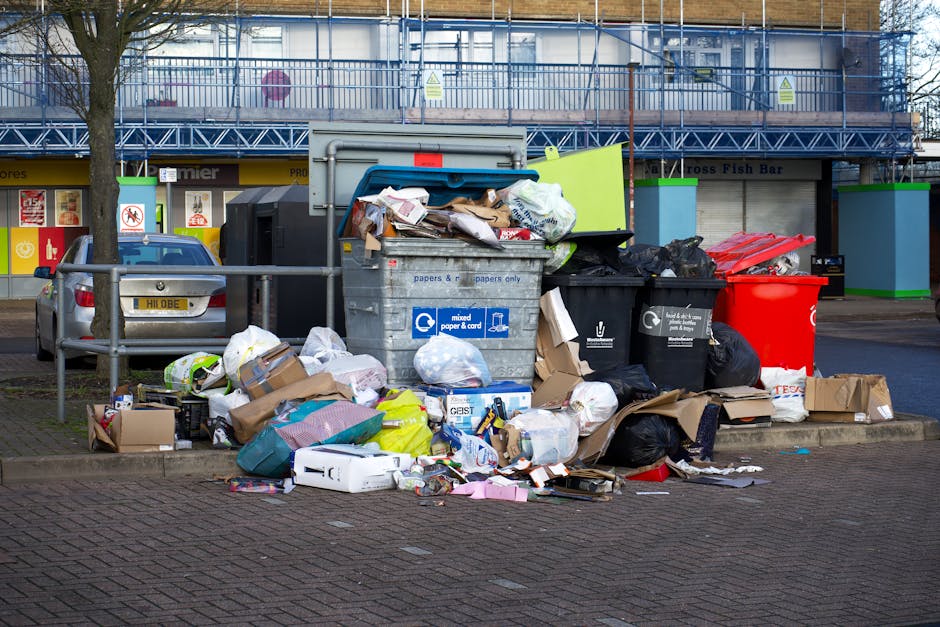
Haringey Council waste rules for Bounds Green homes: a practical local guide
If you live in Bounds Green, waste disposal can feel simple right up until it isn't. One week it's a broken chair and a couple of black bags; the next it's a loft clear-out, a garden pile, or builders' rubble that definitely does not belong in the weekly bin. Understanding Haringey Council waste rules for Bounds Green homes helps you avoid missed collections, neighbours' complaints, and the sort of small fines or headaches nobody wants on a Thursday morning.
This guide explains how the rules usually work in practice, what householders need to watch for, and how to handle common waste problems the right way. You'll also find a simple checklist, a comparison table, and a real-world example so you can make sensible decisions without overthinking every bin bag.
Table of Contents
- Why Haringey Council waste rules for Bounds Green homes matter
- How the rules work in day-to-day use
- Key benefits and practical advantages
- Who this is for and when it makes sense
- Step-by-step guidance
- Expert tips for better results
- Common mistakes to avoid
- Tools, resources and recommendations
- Law, compliance, standards, and best practice
- Options, methods, and comparison table
- Case study or real-world example
- Practical checklist
- Conclusion
- Frequently asked questions
Why Haringey Council waste rules for Bounds Green homes matter
Waste rules are not just about keeping the street tidy, although that matters too. They affect health, safety, access, pests, recycling performance, and how smoothly collections run on busy residential roads around Bounds Green. A small mistake, like leaving the wrong item out or overfilling a bag, can mean the collection is refused. Then you're left with waste sitting by the gate, which is never a nice look and, frankly, can snowball fast.
In a place like Bounds Green, where housing can range from terraces and maisonettes to flats and conversions, space is often tight. Shared bins fill up quickly. Side passages are narrow. Front gardens are small or non-existent. That means the rules around presentation, sorting, and timing matter more than they might in a larger suburban property. One missed pickup can create a domino effect.
There is also a practical money angle. If you use the wrong disposal route, you might end up paying twice: once in time and hassle, and once again to clear what should have been dealt with properly first time. To be fair, most homeowners don't mind sorting waste when the instructions are clear. What they dislike is ambiguity. And yes, council guidance can sometimes feel a bit dry. This article is the plain-English version.
Expert summary: The safest approach is to separate what the council can collect, what must go to a recycling or disposal route, and what needs a specialist clearance service. If you get that decision right, everything else gets easier.
How Haringey Council waste rules for Bounds Green homes works
At a practical level, household waste rules usually revolve around four things: what goes in each container, how it should be presented, when it should be put out, and what counts as non-household or bulky material. That may sound obvious, but the details are where people get caught out.
Most homes need to think in categories rather than "rubbish" as one big pile. General waste, dry mixed recycling, food waste, garden waste, and bulky items are usually handled differently. Some homes have communal arrangements; others have individual bins or sacks. If you're in a flat, a converted house, or a managed block, the local setup may be different from the property next door. A lot of confusion starts there.
Then there's the practical side of presentation. Bags should usually be closed. Bins should be accessible. Waste should not block pavements or communal entrances. If you leave items on the wrong day or in the wrong place, the collection crew may skip them. Not because they're being difficult, but because they have to follow collection rules consistently across the route.
Another thing people often overlook is contamination. A single incorrect item in recycling can affect the whole bag or bin. Wet food in dry recycling, broken glass in the wrong container, or bagged rubbish inside a recycling bin can create problems. It's a small mistake, but it matters.
If you are clearing out a home, a rented flat, or a property after a move, it can be worth planning the waste route before the clear-out starts. That is where services such as home clearance, house clearance, or flat clearance can be useful, especially when the volume is too much for normal bins.
Key benefits and practical advantages
Following the rules is not only about compliance. It makes day-to-day life easier. The benefits are concrete, and you notice them quickly.
- Fewer missed collections: Correct sorting and presentation reduce the chance of waste being left behind.
- Cleaner kerbside areas: Bags and bins are less likely to spill, attract pests, or upset neighbours.
- Less stress during clear-outs: When you know what should go where, sorting becomes much less annoying.
- Better recycling outcomes: Clean, separated materials have a better chance of being processed properly.
- Lower risk of avoidable costs: You avoid the kind of extra removal expense that comes from poor planning.
There is also a neighbourhood benefit that gets overlooked. In a street where people keep waste under control, the whole environment feels calmer. Less smell. Less mess. Fewer bottles rolling into the gutter on a windy evening. It sounds small, but it changes how a road feels.
If you're handling furniture or mixed household items, a service like furniture disposal or furniture clearance can reduce the burden on your bins and help you avoid leaving unsuitable items out for council collection.
Who this is for and when it makes sense
This guidance is useful for a wide range of Bounds Green residents. If you're wondering whether it applies to you, the answer is probably yes if you generate household waste in any meaningful amount. Which, let's face it, all homes do.
- Homeowners who want to keep collections smooth and avoid clutter outside the property.
- Tenants who need to follow building or landlord instructions as well as council expectations.
- Landlords and letting agents managing end-of-tenancy waste or move-out clearances.
- Families dealing with high waste volume from packaging, food, and seasonal clear-outs.
- People renovating rooms, gardens, or loft spaces who need a proper disposal plan.
- Anyone downsizing or clearing a property after bereavement, where decisions need to be thoughtful and orderly.
The rules make the most sense when waste is predictable. If you know you're about to clear a garage, replace a sofa, or empty a shed after a wet winter, then you can choose the right route in advance rather than improvising on the day. A lot of the stress disappears once you stop treating waste as an afterthought.
For larger volumes, local services such as garage clearance, loft clearance, or garden clearance are often more practical than trying to break everything into multiple council-collection cycles.
Step-by-step guidance
If you want a simple way to stay on the right side of the rules, use this process. It's not glamorous, but it works.
- Sort waste by type. Start with recycling, general waste, food waste, and bulky items. Do not mix everything into one pile and hope for the best.
- Check what your property uses. Flats, shared houses, and converted homes often have different bin arrangements from houses with their own collection points.
- Separate reusable or donateable items. If something is still usable, keep it out of the rubbish stream where possible.
- Break down what you can. Flatten cardboard, dismantle light furniture if safe, and bundle items sensibly.
- Keep hazardous or awkward waste apart. Paint, chemicals, batteries, and similar items need extra care and should not be mixed casually with household waste.
- Present waste correctly. Use the right bins or bags and place them where they can be collected without obstruction.
- Book a separate clearance if needed. If you have too much, or the item type is unsuitable, use a specialist route rather than forcing it into the wrong bin.
One useful habit is to stand back for ten seconds after sorting. If the pile looks messy, it probably needs one more pass. That tiny pause can save you a fair bit of hassle later. A bit like checking your pockets before leaving the house, really.
Expert tips for better results
Most waste problems are preventable. The trick is to think ahead instead of reacting when the bin lid refuses to close.
1. Plan around collection days. If you're doing a mini clear-out, work backwards from the collection calendar. Put out only what is accepted, and only when it is ready. This avoids waste sitting outside for too long.
2. Keep recycling clean and dry. Cardboard soaked by rain, greasy trays, and food residue can all cause issues. A dry, tidy container is much more likely to be accepted.
3. Don't overfill bags. Overstuffed bags split. Then you're the one sweeping up scattered packaging in the dark at 8:30pm. Nobody wants that.
4. Use specialist help for mixed loads. If your waste includes furniture, builders' debris, or garden material, it may be easier to split the job into categories with help from services like builders waste clearance or recycling and sustainability.
5. Think about access. In Bounds Green, access can be tight. If a bulky item needs carrying down narrow stairs or through a shared hallway, make sure the route is clear before moving anything heavy. That one step saves scrapes, noise, and awkward conversations with neighbours.
6. Keep paperwork for paid services. If you arrange private removal, hold onto your booking details and any confirmation. It's a simple trust signal for your own records.
Common mistakes to avoid
Waste rules often trip people up in the same few ways. Knowing the usual mistakes helps you stay ahead of them.
- Putting the wrong items in recycling. This is one of the easiest ways to cause problems for the whole bin.
- Leaving waste out too early. It can obstruct walkways and, in some cases, be treated as fly-tipping-like behaviour if it's dumped carelessly.
- Assuming all bulky items are acceptable. Sofas, mattresses, wardrobes, and white goods often need a dedicated route.
- Mixing renovation debris with household rubbish. Builder's waste is a different beast altogether.
- Ignoring shared-building rules. Flats and maisonettes sometimes have their own disposal arrangements on top of the council's general guidance.
- Forgetting about confidential or sensitive items. Old paperwork, labels, and documents should be disposed of carefully.
One common slip-up is the "I'll just squeeze it in" approach. A bit of cardboard in the recycling bin becomes a half-dismantled wardrobe, then a loose screw, then a wobbly pile by the gate. It escalates. Fast.
Tools, resources and recommendations
You do not need a fancy setup to manage waste well, but a few simple tools make a real difference.
- Stackable tubs or crates: Great for sorting mixed household items before disposal.
- Heavy-duty bin liners: Useful for sharp or messy general waste, as long as they are not overfilled.
- Labels or marker pens: Handy in shared homes when different family members are helping sort items.
- Gloves and basic protective gear: Especially sensible for lofts, garages, and garden waste on damp days.
- Measuring tape: Useful if you're checking whether a sofa, wardrobe, or appliance will fit through the route before moving it.
For a private collection or a larger, more awkward load, it can help to look at a structured service page before you book. Many people start with waste removal because it covers mixed rubbish, then move to more specific pages if the load is mainly household furniture or garden material. If you need a price first, the pricing and quotes page can be a sensible next stop.
If you want to understand how a provider handles handling, disposal, and safety expectations, the pages on insurance and safety and health and safety policy are worth a look too. A bit unexciting, perhaps. Still important.
Law, compliance, standards, and best practice
Waste handling in the UK sits within a broader framework of household responsibility, environmental protection, and safe handling practices. For homeowners, the key point is simple: waste should be disposed of through the correct route, not abandoned, mixed carelessly, or handed to anyone who cannot show they are operating properly.
In practical terms, compliance means more than just "not breaking a rule." It means:
- placing waste in the right container or collection stream,
- keeping public paths and communal areas clear,
- separating recyclable material where requested,
- treating bulky or potentially hazardous items with extra care, and
- using reputable waste services when the council route is not suitable.
Best practice is especially important for rented homes and shared buildings, where one person's shortcut becomes everyone else's problem. If a building manager or landlord has added instructions, follow those first. They usually exist because someone, at some point, made a mess and the lessons were learned the hard way. Annoying, but true.
For businesses operating from home or managing work-related waste, the requirements can differ. In those cases, business waste removal is a more appropriate route than household disposal. That distinction matters more than many people realise.
Options, methods, and comparison table
There is usually more than one way to deal with waste in Bounds Green. The right option depends on volume, item type, access, and how quickly you need it gone.
| Option | Best for | Strengths | Limitations |
|---|---|---|---|
| Normal council bin collection | Routine household waste and accepted recycling | Simple, familiar, low effort once sorted | Limited capacity; not suitable for bulky or mixed clear-outs |
| Bulky item preparation for collection | Single large household items that fit the council process | Convenient if the item qualifies and timing works | Not all items are accepted; may need advance arrangement |
| Private waste removal | Mixed waste, awkward access, time-sensitive clearance | Flexible, efficient, less manual hassle | Costs more than using standard bins |
| Furniture or house clearance service | Moves, downsizing, deceased estates, major declutters | Good for volume, sorting, and quicker turnaround | Requires booking and a clear scope |
| Garden or builders clearance | Soil, green waste, rubble, timber, and renovation debris | Matches the material type properly | Not a substitute for normal household collection |
As a rule of thumb, if waste is regular and tidy, use the council route. If it is bulky, mixed, heavy, or time-sensitive, a private clearance route is usually the calmer choice. That's the honest answer.
Case study or real-world example
Here's a common Bounds Green scenario. A family finishes a long-overdue spare-room clear-out on a Sunday afternoon. There's a broken bedside table, a pile of packaging, two bags of old clothes, a small broken shelf, some garden trimmings, and one very stubborn chair that has clearly had enough of life.
At first glance, it all looks like "just rubbish." But once they sort it, the picture changes. The clothes can be donated if still suitable. Packaging goes into recycling if clean and dry. The chair and shelf are bulky items. The garden trimmings belong with green waste, not general waste. The broken table may need separate handling depending on material.
If they had tried to force everything into the weekly bins, something would have been left out. Probably more than one thing. Instead, they split the load and arranged a clearance for the awkward items. The room was empty by Monday morning, and, more importantly, there was no half-finished pile sitting by the front wall all week. Small victory, but a satisfying one.
That's the real lesson: good waste management is usually about decision-making, not brute force.
Practical checklist
Use this before every home clear-out or bulky disposal job:
- Have I separated recycling, general waste, and bulky items?
- Do any items need special handling, such as batteries, liquids, or sharp edges?
- Am I clear on what the council can and cannot take?
- Will the waste block access, shared hallways, or pavements if I leave it out?
- Could any item be reused, donated, or repaired instead of discarded?
- Do I need a specialist clearance for furniture, garden waste, or building debris?
- Have I checked the property layout so moving items will be safe?
- If I'm using a private service, have I reviewed the booking details and the provider's policies?
When in doubt, slow down. Waste mistakes usually happen when people rush and try to solve everything in one go.
Get a free quote today and see how much you can save.
Conclusion
Understanding Haringey Council waste rules for Bounds Green homes is mainly about being organised, realistic, and a little bit picky about where things go. That may not sound thrilling, but it saves time, protects your home frontage, and makes clear-outs feel much more manageable. The best approach is simple: sort properly, use the correct collection route, and call in help when the waste becomes bulky, mixed, or awkward.
If you're planning a bigger declutter, a move, or a property tidy-up, there's no need to wrestle with every item alone. A clear plan, a few sensible choices, and the right disposal route can turn a messy job into something surprisingly straightforward. And honestly, that's a relief.
When the bags are done, the bins are shut, and the space feels open again, you notice it right away. That quiet, cleared-out feeling is worth the effort.
Frequently Asked Questions
What are the main Haringey Council waste rules for Bounds Green homes?
The main rules are about sorting waste correctly, using the right bins or collection routes, keeping waste accessible for collection, and separating bulky or unsuitable items from standard household rubbish.
Can I put bulky furniture out with my normal household waste?
Usually, no. Bulky items often need a separate collection route or a specialist disposal service. It is better to check the accepted process before leaving anything outside.
What should I do with old sofas, wardrobes, or mattresses?
These are usually best handled through bulky-item collection arrangements or a private furniture clearance service, especially if you have several items at once.
How should I handle waste from a loft or garage clear-out?
Start by sorting everything into categories: recycling, general waste, reusable items, and bulky waste. For larger volumes, a dedicated garage clearance or loft clearance can be much easier than relying on bins alone.
What if I live in a flat or shared building?
Shared buildings often have extra rules about bin storage, access, and presentation. Follow the building's instructions as well as the council's waste guidance, because communal arrangements can be stricter than a standard house setup.
Can I leave waste out the night before collection?
That depends on the local arrangement and the item type. In general, waste should be presented neatly and not left out so early that it obstructs the street or creates a mess. If in doubt, keep it inside until the proper time.
What happens if I put the wrong thing in recycling?
Contaminated recycling may be rejected, which can mean the whole container is left uncollected or treated as general waste. It's one of the easiest mistakes to avoid if you slow down and check the contents first.
Is it better to use council collection or private waste removal?
For routine household rubbish, council collection usually makes sense. For mixed loads, heavy items, or anything time-sensitive, private waste removal is often the more practical option.
Do I need to worry about safety when moving waste inside the house?
Yes, especially with sharp items, broken furniture, or heavy bags. Use gloves, clear walkways, and do not try to lift awkward items alone if the route is tight or the item is unstable.
How can I prepare for a home clearance without making a mess?
Sort by category, clear a staging area, keep donation items separate, and decide early what needs specialist removal. Services like house clearance or home clearance are useful when the job is bigger than a normal bin day.
What if my waste includes garden cuttings or soil?
Green waste and heavier garden material often need a different approach from ordinary household rubbish. A garden clearance service can be the cleaner and simpler route, especially after pruning or landscaping work.
Where can I find more information about pricing or the company's approach?
If you want to understand service scope, booking expectations, or how costs are handled, it helps to read the provider's pricing and quotes, about us, and recycling and sustainability pages.