Haringey Council bulky waste permit what to know for N11
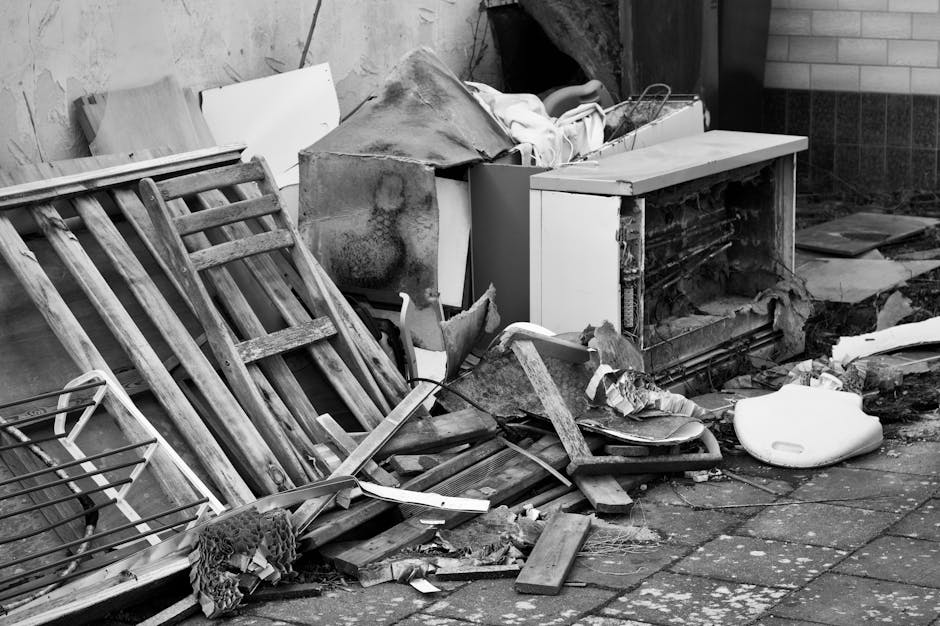
If you are trying to work out Haringey Council bulky waste permit what to know for N11, you are probably in one of those classic moments where the garage, spare room, or front hallway has quietly become a storage unit. It happens. One day it is "just a chair and a broken wardrobe," and the next there is a small mountain of stuff that will not fit in a normal bin collection.
This guide explains the practical side of bulky waste arrangements in N11, what a permit or booking usually means in real life, how to avoid a rejected collection, and when it may make more sense to use a professional clearance service instead. We will keep it plain-English, useful, and local enough to be genuinely relevant.
Quick takeaway: if your bulky items are too large for household bins, you usually need to book them in the right way, prepare them correctly, and check whether the council route or a private clearance is the better fit for your timing, access, and budget.
Why Haringey Council bulky waste permit what to know for N11 Matters
N11 covers a busy part of North London, with a mix of terraces, flats, maisonettes, and tighter residential streets. That matters because bulky waste is not just about the item itself; it is about access, timing, storage space, and how the collection can actually happen without causing disruption. On a narrow road, a sofa left half on the pavement is not just awkward. It can become a problem for neighbours, pedestrians, and even the crew collecting it.
For many households, the council route is attractive because it feels straightforward and, in some cases, cost-effective. But the reality is a little more nuanced. Bulky waste bookings often come with limits on item types, quantities, preparation rules, and collection conditions. Miss one small detail and the collection can be delayed or refused. That is the bit people sometimes discover at 8:15 on a wet Tuesday, right as they are trying to get rid of a broken mattress. Not ideal.
Understanding the process matters because it helps you decide whether your needs suit a council booking, a one-off hire, or a same-day private clearance. If you are dealing with a flat clearance, a loft clear-out, or an old set of furniture from a rental property, the right route can save a lot of back-and-forth.
It also matters for compliance and good neighbour relations. Leaving items out too early, blocking access, or putting out prohibited materials can create avoidable friction. In a place like N11, where parking and pavement space are often limited, "good enough" planning usually is not enough.
How Haringey Council bulky waste permit what to know for N11 Works
At a practical level, bulky waste collection through a council service is usually a booked collection for items that are too large for standard refuse or recycling containers. Depending on the council's current process, you may need to request a collection in advance, confirm what is accepted, and follow specific presentation instructions. The phrase "permit" is often used loosely by residents to mean the permission or booking required to place bulky items out for collection.
In simple terms, the process tends to work like this:
- You identify the bulky items you want removed.
- You check whether they are accepted and whether any special conditions apply.
- You book the collection and follow the instructions provided.
- You place the items in the agreed location at the agreed time.
- The council crew collects the items if everything matches the booking rules.
That sounds easy on paper. In practice, the details matter. For example, a wardrobe that can be broken down may need to be dismantled first. A fridge may have different handling requirements from a sofa. Mixed waste, loose rubble, paint tins, or builder's debris can fall outside normal bulky waste arrangements. If you are not sure, it is usually better to check before putting anything outside.
For N11 homes with shared entrances, basements, or rear access only, the access point can be the deciding factor. Some collections fail not because the item is wrong, but because the item cannot be safely moved from where it is stored. That is why a quick plan of the route from front door to collection point is worth doing. Small thing, big difference.
If you would rather avoid the uncertainty of a council window, a private waste removal service can usually remove bulky items faster, often with more flexible access arrangements. For furniture-heavy jobs, furniture disposal or furniture clearance may be a better fit, especially when there are multiple large pieces rather than one item.
Key Benefits and Practical Advantages
The council route has a few clear strengths. First, it is familiar to many residents and can work well for straightforward collections. Second, it keeps large items moving out of homes and into a managed disposal stream rather than leaving them to linger in hallways or gardens. And third, it can be the most sensible option when you only have one or two items and can wait for a scheduled slot.
But the benefits go beyond convenience:
- Clear structure: a booked process gives you a defined time and rules to follow.
- Better household organisation: you can clear space methodically instead of letting clutter spread.
- Reduced fly-tipping risk: when residents understand the proper route, fewer items end up abandoned.
- Suitable for occasional disposals: ideal if this is a one-off clear-out rather than a full property clearance.
- Peace of mind: you are less likely to be guessing where the item should go or how it should be handled.
There is also a subtle but important benefit: it can force a proper decision. People often delay bulky waste because they are unsure whether an item is "worth" the effort. Once you book it, the decision is made, and the room can breathe again. You notice it immediately, especially in a compact N11 property where one bulky item can make a room feel half its size.
For larger or more complex jobs, the advantage can swing the other way. If you need a home clearance, a house clearance, or even a loft clearance, a private team may save time because they handle sorting, lifting, and loading in one visit. That is often worth considering if your schedule is tight.
Who This Is For and When It Makes Sense
This topic is relevant for a fairly wide group of people, not just homeowners. In N11, bulky waste questions often come up for tenants, landlords, estate managers, homeowners, and small businesses. If you have a large item that cannot go in your bin, or you have more than a bin-load of disposables, you are in the right place.
It makes sense if you are:
- clearing out an old sofa, bed base, mattress, or wardrobe
- moving out of a flat and want to leave the place tidy
- dealing with a post-renovation tidy-up and have light waste mixed with old items
- getting a room ready for sale, rent, or a new occupant
- managing a garage or shed packed with unwanted household goods
- working in a small office and need to remove old desks or chairs
It may not be the best choice if you have lots of mixed waste, awkward access, or a same-day deadline. For example, if you are emptying a basement flat down a narrow stairwell, the council route can become complicated quickly. In that case, a specialist clearance service may be the calmer, more practical option.
One of the most common real-world situations we see is a family trying to clear a property before visitors arrive or before a tenancy change. They have a broken bed frame, two bookcases, and a half-empty garage. The council route can help, sure. But if the deadline is close, private removal is often easier to coordinate without waiting around.
Step-by-Step Guidance
If you want the process to go smoothly, treat it like a small project. Nothing dramatic. Just a bit of planning.
- List the items clearly. Write down every bulky item, not just the obvious one. That second chair, the broken chest of drawers, the old TV stand - they all count.
- Check what is accepted. Councils often have rules around waste types, hazardous items, electricals, and construction debris. Do not assume.
- Decide whether items need dismantling. Flat-pack furniture, bed frames, and wardrobes may be easier to collect once broken into manageable parts.
- Measure access. Door width, stair turns, shared corridors, gate access, and parking all matter in N11.
- Prepare the collection point. Keep items together, accessible, and placed exactly where instructed.
- Remove anything not included. Mixed loads can cause confusion and delay.
- Keep an eye on timing. If the collection window is early, put the items out only when instructed.
That last point sounds obvious, but it is where many people slip up. Leaving items outside too early can create complaints, especially where shared footpaths or limited frontage are involved. Nobody wants a sofa sitting in the drizzle for two days. It looks untidy, and it invites problems.
If you are not sure the council route will fit your situation, compare it with a private option. A booked clearance company can often handle items directly from the room, garage, or loft, which is useful if you cannot safely move them yourself. You can also review pricing and quotes before making a decision, especially if you want a clearer idea of cost versus convenience.
Expert Tips for Better Results
Here is the part that saves people the most headaches.
Tip 1: Sort before you book. Separate furniture, electricals, garden waste, and building rubble. Even if you end up using a private service, sorting helps reduce confusion and often reduces handling time.
Tip 2: Think in terms of lifting, not just items. A small chest of drawers that is heavy, awkward, or trapped in a loft can be harder than a larger item on the ground floor. Weight and access matter more than appearance.
Tip 3: Photograph the load. This is useful for your own planning and especially helpful if you are comparing options. A quick photo tells you more than a long description with "loads of stuff in the shed" ever will.
Tip 4: Check for hidden extras. Many bulky waste headaches come from forgotten items: drawers inside wardrobes, cushions in sofas, shelves in cupboards. They take time to remove and sort.
Tip 5: Match the service to the job. If your waste is mostly furniture, a specialist furniture collection may suit you better than a generic removal. If it is a mixed household clear-out, a home clearance may be more efficient.
To be fair, there is no perfect one-size-fits-all answer. A single bed frame? Council route might be fine. A packed flat after a move? A full clearance service may be the sensible choice. The right answer is the one that saves time, keeps access safe, and fits your actual deadline.
And if you are comparing providers, pay attention to how they handle waste responsibly. A company with a clear recycling and sustainability approach is usually a better long-term choice than one that just promises to "take everything away" without much detail.
Common Mistakes to Avoid
Most problems with bulky waste are completely avoidable. The trouble is, they tend to happen at the worst possible time.
- Leaving the booking too late. If you need the space back quickly, delays can become stressful fast.
- Assuming all waste is the same. Furniture, garden waste, builders' debris, and electricals may follow different rules.
- Not checking access. A collection can fail if the item cannot be reached safely.
- Putting out prohibited items. Hazardous materials and certain special wastes often need separate handling.
- Mixing acceptable and non-acceptable items. One wrong item can create trouble for the whole collection.
- Forgetting to dismantle large furniture. Especially in compact properties, this can be the difference between a smooth pickup and a failed one.
Another common mistake is trying to solve a bulky waste problem by spreading it across several bins or communal areas. It feels sneaky. It is also usually the quickest way to annoy neighbours and create a mess. Let's not do that.
Finally, do not ignore the value of a proper disposal route for items that need more than a basic lift. If the job includes a garage full of mixed clutter, a garage clearance or even an office clearance may be a better fit than trying to force everything through a single bulky waste booking.
Tools, Resources and Recommendations
You do not need specialist equipment for most bulky waste jobs, but a few simple tools help a lot:
- Tape measure: useful for checking whether furniture can fit through doors or stairwells
- Basic screwdriver set: handy for dismantling shelves, bed frames, and flat-pack units
- Heavy-duty gloves: a good idea for old wood, dusty loft items, or sharp edges
- Dust sheets or old blankets: useful when moving items through a clean hallway
- Phone camera: helps you record what needs removing and compare service options
If you are choosing between council collection and private clearance, a few practical questions usually settle it:
- How soon do you need the space clear?
- Can you move the items safely yourself?
- Is the access straightforward or awkward?
- Are you dealing with one item or a full load?
- Would a wider service such as house clearance or flat clearance save more time overall?
There is also a trust element. Before booking any clearance service, it helps to know a bit about the company, how they work, and what standards they follow. You can review the team behind the service on the about us page and check practical information such as insurance and safety and health and safety policy. That is not being fussy. It is just sensible.
Law, Compliance, Standards, or Best Practice
For bulky waste, the main thing to understand is that you should dispose of items through lawful and appropriate channels. In the UK, household waste must be handled responsibly, and residents have a duty to avoid fly-tipping and unsafe storage of waste on streets or communal land. The exact council process can vary, so it is always wise to follow the current local instructions rather than relying on old habits or hearsay from a neighbour who "did it last year".
Best practice is straightforward:
- present only the items agreed in the booking
- keep access clear for crews and pedestrians
- separate anything hazardous or special-handling
- avoid leaving bulky items outside before the instructed time
- use a licensed, reputable removal route for non-household or mixed waste
If you are managing waste from a property renovation, builder's debris, or a post-project clear-up, do not force it into a standard bulky waste route if that route is not designed for it. A dedicated builders waste clearance option is often the cleaner and more compliant choice for the job.
For businesses in the area, the standard is even clearer: business waste should be handled through a proper commercial route rather than mixed into household arrangements. That is where business waste removal becomes relevant.
Options, Methods, or Comparison Table
If you are trying to decide between council bulky waste arrangements and a private clearance, this simple comparison may help.
| Option | Best for | Strengths | Watch-outs |
|---|---|---|---|
| Council bulky waste booking | One or two large household items | Structured process, suitable for simple jobs | Timing can be limited; item rules may be strict |
| Private bulky item collection | Faster or more flexible removals | More adaptable access and scheduling | Costs may be higher depending on volume |
| Full property clearance | Flats, houses, lofts, garages, offices | Handles sorting, lifting, and loading in one go | May be more service than you need for a single item |
| Specialist furniture disposal | Old sofas, beds, wardrobes, tables | Good fit for large domestic furniture | May still need access planning and item prep |
The best option is not always the cheapest at first glance. If a council booking saves money but costs you a day off work, three stair trips, and a rescheduled pickup because of one missed rule, the real cost is higher than it looked. That is just how these things go.
Case Study or Real-World Example
A typical N11 example: a couple in a first-floor flat wanted to clear an old bed frame, two bookcases, and a worn-out sofa before a new tenant moved in. At first, they assumed a bulky waste booking would be the simplest option. Once they checked the access, though, they realised the sofa would need to be carried down a tight stair turn, and the bed frame had to be dismantled to avoid damage to the wall and banister.
They did two things that made the whole process easier. First, they measured the staircase and doorway properly. Second, they separated the items into what could be handled quickly and what would need extra care. In the end, they chose a private clearance because the timetable was tighter than they expected and they wanted everything removed in one visit.
The useful lesson here is not that one option is always better. It is that a small amount of planning changes the outcome completely. A clear hallway, a dismantled bed, and one decent photo of the load can turn a stressful afternoon into a straightforward job. Honestly, that is half the battle.
Practical Checklist
Use this before you book or place anything out for collection:
- Have I confirmed which items are included?
- Do any items need dismantling first?
- Have I checked the access route, stairs, and door widths?
- Do I know the collection time window or deadline?
- Are any items hazardous, electrical, or special-handling?
- Have I separated bulky waste from general rubbish?
- Will the council route be enough, or do I need a fuller service?
- Have I checked pricing and practical terms before committing?
- Is the waste being handled through a responsible disposal route?
- Have I kept the collection point tidy and accessible?
If you tick those off, you are in a much stronger position. Not flawless. Just much stronger. And that is usually enough.
If your job is broader than a simple bulky item pickup, it may be worth exploring a tailored service such as loft clearance, garage clearance, or furniture clearance to save time and reduce hassle.
Get a free quote today and see how much you can save.
Conclusion
Sorting out Haringey Council bulky waste permit what to know for N11 is really about making a sensible decision for your home, your timing, and your access. If you only have a small number of accepted bulky items and you can work within the council's process, that route may suit you perfectly well. If the job is larger, more urgent, or physically awkward, a private clearance can be the more realistic answer.
The best results usually come from simple preparation: know what you have, measure the access, separate the load, and choose the disposal route that matches the job rather than hoping one system will fit everything. It is a little bit of effort upfront, yes. But it saves a lot of hassle later.
And once the clutter is gone, the room feels different. Quieter, oddly enough. Cleaner. Easier to use. That part never gets old.
Frequently Asked Questions
What does Haringey Council bulky waste permit what to know for N11 actually mean?
It usually refers to the permission, booking, or collection process needed to dispose of large household items in the N11 area. People use the phrase to mean the practical steps for arranging bulky waste properly.
Do I need a permit for bulky waste in N11?
In many cases, residents need to book the collection or follow the council's instructions rather than placing items out freely. The exact process can change, so it is best to check the current local arrangement before setting anything outside.
What items count as bulky waste?
Typical bulky waste includes sofas, armchairs, mattresses, wardrobes, tables, bed frames, and similar large household items. Some electrical items may be accepted differently, and hazardous waste is usually handled separately.
Can I leave bulky items on the pavement in N11?
Only if the collection instructions say you can. Leaving items out too early or in the wrong place can cause problems, including complaints or a missed collection.
How many items can I book at once?
That depends on the current council rules and the type of collection. Some services are designed for just a small number of items, while larger loads may need a different route.
What happens if the crew cannot access my items?
If the item cannot be reached safely or has not been prepared correctly, the collection may be delayed or refused. This is especially common in flats, shared hallways, and properties with narrow stairs.
Is council bulky waste cheaper than private clearance?
Often it can be, especially for a simple one-off item. But cheaper on paper is not always cheaper in practice if you need to dismantle items, wait longer, or arrange separate help to move them.
What should I do with a broken wardrobe or bed frame?
If possible, dismantle it into manageable pieces before collection. That makes it easier to move through doors and stairwells and can reduce the chance of a failed pickup.
Can I use bulky waste collection for garden waste or builders' waste?
Not always. Garden waste and builders' waste often need different handling, so it is safer to check whether they belong in a separate collection route such as garden clearance or builders waste clearance.
What if I need everything cleared quickly?
If time is tight, a private waste removal or full clearance service may be more practical than waiting for a council slot. That is especially true for flats, offices, and full-property clear-outs.
How do I know if a clearance company is trustworthy?
Look for clear information about the business, safety practices, insurance, and how waste is handled. A transparent company is easier to work with and usually easier to trust.
What is the smartest next step if I am unsure?
Make a short list of the items, check the access, and compare the council route with a private clearance option. If the job is small, the council may be enough. If it is bigger or more awkward, a specialist service can save a lot of stress.